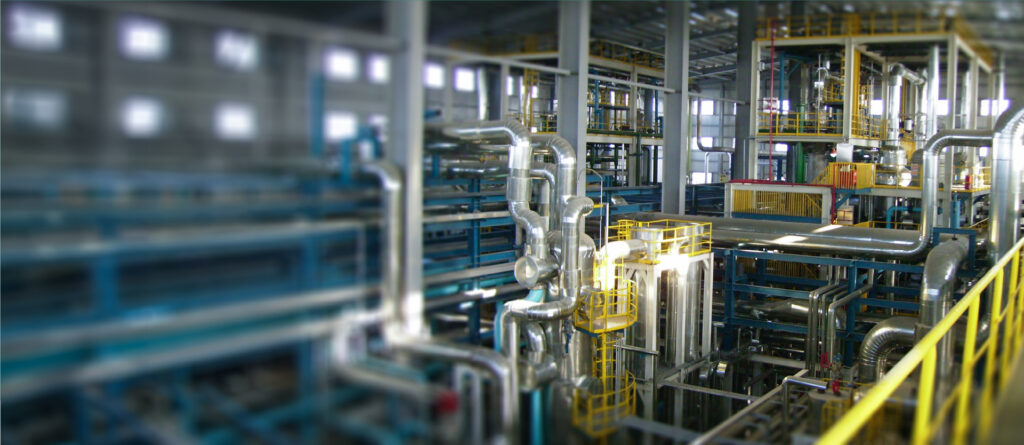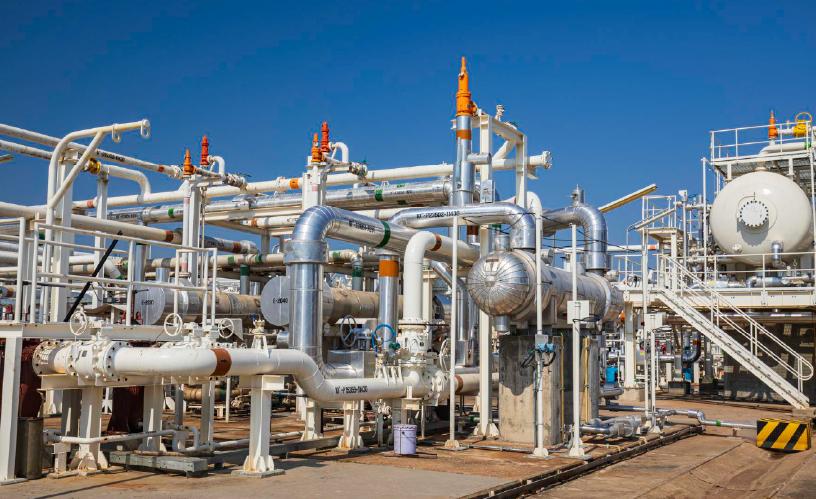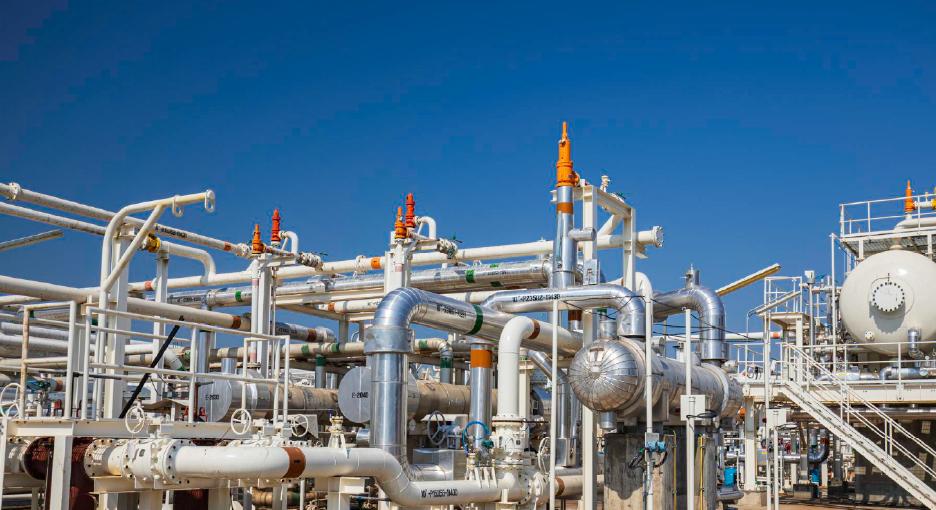
Sulfonation is one of the most important unit operations in the surfactant and detergent manufacturing industry. The process involves the reaction of organic compounds with sulfonating agents to produce surfactants—surface-active agents that reduce the surface tension of water and are essential components in household cleaners, industrial detergents, personal care products, and enhanced oil recovery formulations.
Among the various sulfonation technologies available, gaseous SO₃ sulfonation using falling film reactors has emerged as the industry standard for high-volume production. This method offers superior reaction control, higher throughput, better product quality, and significantly reduced environmental impact compared to older oleum or chlorosulfonic acid processes.
KEY INSIGHT
The global sulfonation market is projected to exceed $22 billion by 2028, driven by rising demand for biodegradable surfactants in emerging economies. SO₃ falling film technology accounts for approximately 85% of new plant installations worldwide due to its superior efficiency and environmental profile.
The gaseous SO₃ sulfonation process relies on a carefully controlled reaction between sulfur trioxide gas and an organic substrate. Understanding the underlying chemistry is critical for optimizing both yield and product quality.
The sulfonation of linear alkylbenzene (LAB) to produce linear alkylbenzene sulfonic acid (LABSA) follows a well-established electrophilic aromatic substitution mechanism. The SO₃ molecule acts as a powerful electrophile, attacking the electron-rich aromatic ring:
Key Process Parameters
MOLAR RATIO (SO₃:LAB)
1.03 – 1.05 : 1
REACTION TEMPERATURE
40 – 55°C
SO₃ CONCENTRATION IN AIR
4 – 7 vol%
FILM THICKNESS
0.5 – 1.2 mm
The reaction is highly exothermic, releasing approximately 170 kJ/mol of heat energy. Effective heat removal is therefore the single most critical factor in achieving high-quality product with minimal color bodies and by-products. The falling film reactor design addresses this challenge by spreading the organic feedstock as a thin film along the inner wall of a cooled tube, maximizing the surface-to-volume ratio for heat transfer.
Modern multi-tube falling film reactors (MTFFR) represent the state of the art in sulfonation technology. These reactors consist of hundreds of parallel tubes, each typically 25–38 mm in diameter and 6–12 meters in length, housed within a cooling jacket. The design principles include:
Uniform film distribution: A precision distributor plate ensures even organic feed across all tubes, preventing dry spots that could lead to localized overheating and product degradation.
Annular gas flow: SO₃-laden air enters from the top and flows co-currently with the organic film, enabling rapid reaction at the entry zone where reactant concentrations are highest.
Efficient cooling: Chilled water circulates through the shell side at 25–35°C, maintaining the reaction temperature within the optimal range.
Multi-zone temperature control: Advanced reactors feature 2–4 independent cooling zones for precise temperature profiling along the reactor length.
One of the key advantages of SO₃ falling film technology is its remarkable versatility. A single production line can be configured to process multiple organic feedstocks through an online switching system, enabling manufacturers to produce a diverse range of surfactant products from the same equipment.


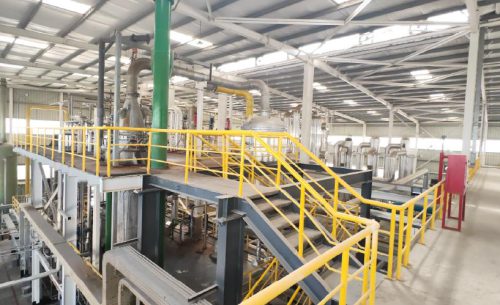
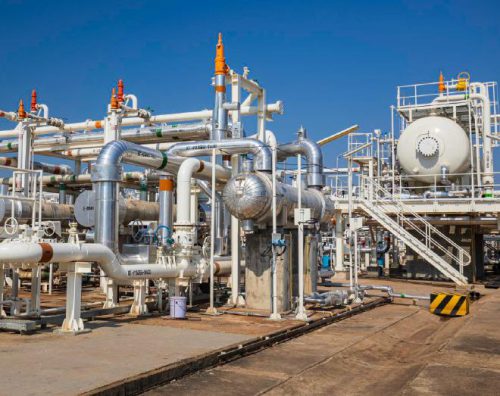
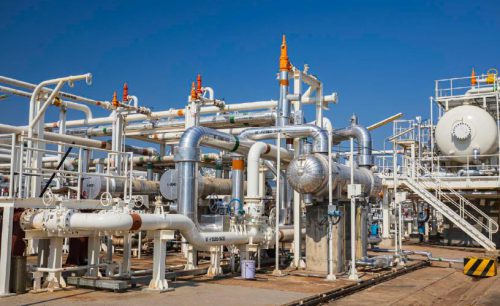
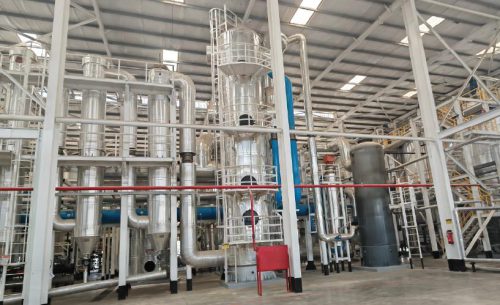

We supply plants all over the world, from Saudi Arabia to Kuwait, from Ukraine to Greece, from Egypt to Nigeria.

English

French

German

Portuguese

Spanish